
East Coast Sri Lanka: Trincomalee, Nilaveli, Marble Beach and Pasikudah
A practical eastern Sri Lanka coastal guide covering Trincomalee heritage, Nilaveli, Marble Beach, Pasikudah and seasonal travel considerations.
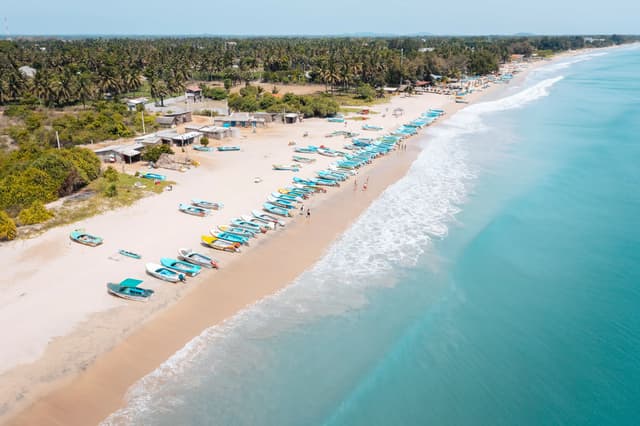
East Coast Sri Lanka: Trincomalee, Nilaveli, Marble Beach and Pasikudah
The east coast is a different side of Sri Lanka from the familiar Galle–Mirissa route. A stay around Trincomalee can combine harbour history, Hindu religious heritage and beach days, while Pasikudah offers another established coastal base further south.
The typical east-coast beach season is roughly May to September, according to Sri Lanka Tourism's broad climate guidance. The exact weather, sea state and marine-park operating arrangements always need to be checked close to travel.
Trincomalee: a harbour with history
Trincomalee is renowned for its natural harbour. Fort Frederick, developed from a Portuguese-era fortification, sits in an area of important maritime and military history. Nearby Koneswaram Temple is a significant Hindu worship site in a striking coastal setting.
Be aware that active religious sites require respectful behaviour and that military or restricted areas may have access controls. Avoid treating the entire harbour or fort surroundings as freely accessible at all times.
Nilaveli: a beach base north of the city
Nilaveli is known for its sandy coastline and is often considered for a quieter beach-centred stay than a busy urban hotel. Choose accommodation based on actual beachfront access and travel time to the places you want to visit.
What about Pigeon Island?
Pigeon Island is a protected marine area near Nilaveli. Conditions and regulations govern boat trips, entry and activities. Arrange trips only through appropriate local channels and avoid touching or standing on coral, handling marine animals or assuming snorkelling is safe without assessing the sea.
Marble Beach: check access before your travel day
Marble Beach is another Trincomalee-area attraction mentioned by Sri Lanka Tourism. Unlike a generic public street or open promenade, access arrangements and restrictions can change, so confirm current public admission before advertising it as an assured stop.
This matters especially if you have only one coastal day and do not want a long detour to a location that cannot be visited at that time.
Pasikudah: a different east-coast base
Pasikudah (also spelled Pasikuda), near Batticaloa, is an established resort area. It suits an itinerary with more than one night by the sea. Avoid assuming every day will have shallow, calm or swim-safe water: ask your accommodation or an appropriately qualified local professional about conditions.
A sample four-day east-coast stay
Day 1: Arrive in Trincomalee, visit accessible heritage areas and settle into your accommodation.
Day 2: Explore Nilaveli and consider an approved marine excursion if the weather and sea permit.
Day 3: Choose between another relaxed Trincomalee-area day and moving towards Pasikudah; do not attempt every beach as a hurried checklist.
Day 4: Enjoy Pasikudah or return according to the broader route and departure needs.
This outline is not a claim of fixed drive times, opening hours or guaranteed water activities.
Combine the coast with Sri Lanka's history
If you enjoy religious and historic landmarks, the east coast can form part of a longer trip linking Sigiriya, Polonnaruwa and Trincomalee. A separate longer northern route can include Nallur Kandaswamy Temple in Jaffna, rather than incorrectly presenting Jaffna as a small detour from Trincomalee.
Which beach should you choose?
- Nilaveli: coastal stay close to Trincomalee-area excursions.
- Marble Beach: potential additional stop, provided public access is confirmed.
- Pasikudah: a longer, resort-focused eastern beach stay.
- South/southwest instead: investigate Bentota, Hikkaduwa or Mirissa for a different seasonal window.
Plan an east-coast trip with local knowledge
Tell Lanka Roo Tours when you are travelling and whether your interests are primarily beaches, temples or a Cultural Triangle combination. A good route should allow meaningful beach time without promising specific marine conditions or access that has not been confirmed.