Sri Lanka Cultural Triangle: A Practical 3-Day Heritage Itinerary
Plan three meaningful days at Sigiriya, Dambulla, Polonnaruwa and Anuradhapura, with practical advice on travel, heat, tickets and temple etiquette.
Sri Lanka Cultural Triangle: A Practical 3-Day Heritage Itinerary
The Cultural Triangle is one of the best reasons to travel beyond Sri Lanka's beaches. The major monuments include Sigiriya, Dambulla, Polonnaruwa and Anuradhapura—places representing different centuries, faith practices and approaches to architecture.
Three days will not cover every important temple or archaeological site. This route aims to provide a coherent introduction, with room to adjust according to where you sleep and how interested you are in history.
Day 1: Sigiriya and Dambulla
Start with Sigiriya, the UNESCO-listed rock citadel associated with King Kassapa I in the fifth century. Its landscape includes ancient gardens and the famous rock ascent. Climbing requires fitness and confidence on stairways; a ground-level archaeological visit may be more appropriate for some travellers.
Continue to Dambulla for its series of Buddhist cave shrines and mural paintings. Dambulla remains an active place of worship, so clothing and visitor conduct matter.
For a structured one-day pairing, view the Sigiriya and Dambulla day tour.
Day 2: Polonnaruwa
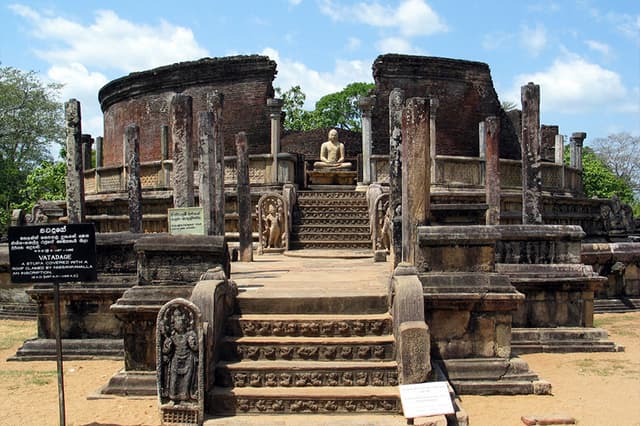
Polonnaruwa is the site of Sri Lanka's medieval capital, including monuments and royal-era remains associated with Parakramabahu I. This is a place to slow down and understand the site layout, not simply photograph a few sculptures before moving on.
The archaeological zone involves outdoor walking and exposed areas. Start early when practical, carry drinking water and factor in rest stops.
An optional wildlife experience around Minneriya or Kaudulla can be considered separately if time and park conditions allow, but it should not be automatically squeezed into the same day as an in-depth Polonnaruwa visit.
Day 3: Anuradhapura
Anuradhapura is a sacred city with a long history as a political and Buddhist religious centre. UNESCO highlights its association with the sacred Bodhi tree and a rich landscape of monasteries and monuments.
The attractions are spread across a wide area. Choose a few key religious and archaeological places and visit them properly. Some remain living pilgrimage spaces, not just historical ruins.
Can you visit all four in two days?
It is physically possible to cover a shortened selection with carefully planned transport, but rushing through sacred places and large archaeological areas sacrifices the main reason to visit. We recommend prioritising depth over a headline count whenever your schedule is limited.
What about lesser-known historic sites?
If you have extra days or particular interests, Yapahuwa Rock Fortress offers a different medieval chapter, while Medirigiriya Vatadage is an important archaeological site in the broader north-central region. They deserve properly planned stops rather than being labelled 'just outside' the main circuit without checking the route.
Tickets and respectful visiting
The Central Cultural Fund publishes admission prices. Its list dated 2 September 2026 gives full foreign-adult tickets of USD 35 for Sigiriya and USD 30 each for Polonnaruwa and Anuradhapura, subject to changes and applicable ticket conditions.
At active Buddhist sites, dress with shoulders and knees covered, remove footwear when required, and follow signs about photographs and sacred objects. Respect local visitors who are there to worship.
Where should you stay?
Choose your base after plotting the actual destinations and arrival route. Sigiriya/Dambulla and the wider Habarana area can be useful for parts of the triangle, but a route involving Anuradhapura may justify a different overnight location to avoid excessive driving.
Plan a heritage-led holiday
If history is the focus of your trip, tell Lanka Roo Tours which ancient sites interest you and how much walking your group prefers. A carefully paced heritage route can pair major UNESCO sites with places such as Yapahuwa rather than treating every monument as a ten-minute stop.